
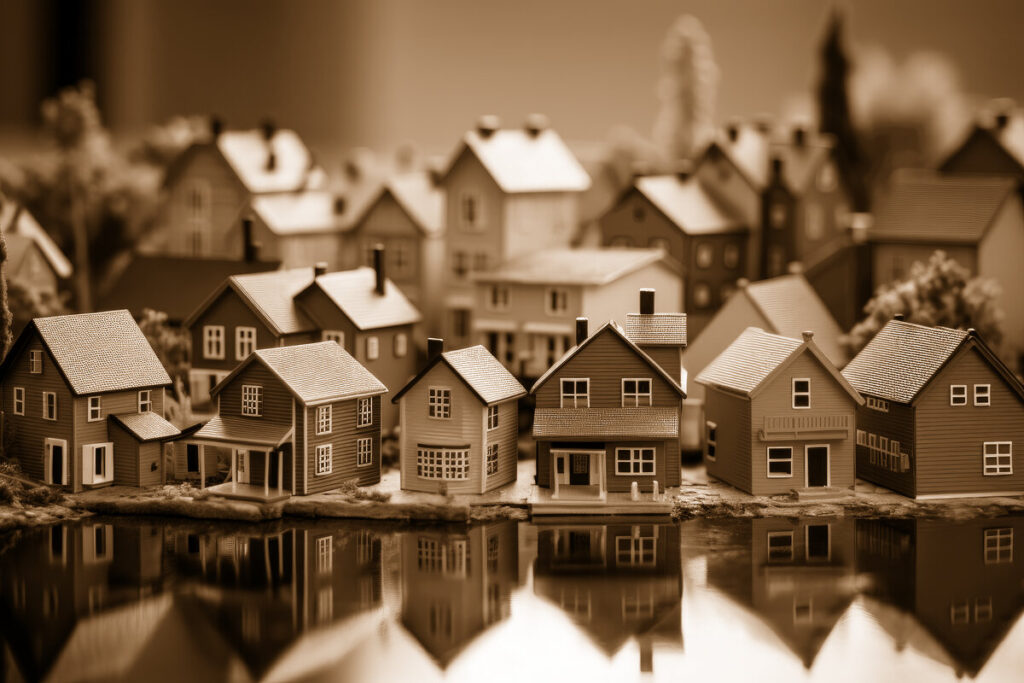
Falling Waters is more than simply a point on the map of Jackson, Michigan—it's a living, breathing storybook for anyone willing to listen. As locals often say, to truly understand Jackson is to wander the gentle, tree-lined streets of Falling Waters, feeling the layers of history beneath your feet and hearing the gentle echo of rushing streams that gave this cherished place its poetic name.
Origins: A Name Rooted in Nature
Falling Waters owes its name to the natural springs and cascades that bubbled along the original trails in the area, long before the city of Jackson was founded. The neighborhood’s earliest residents—Native American peoples of the Potawatomi and Ojibwe nations—relied upon the region’s abundant water sources, which were both a vital resource and a spiritual touchstone. These streams, which tumbled gently through what is now the southwest sector of Jackson near Falling Waters Trail, became known simply as “the Falling Waters.” Early settlers adapted this descriptive phrase, and the name has endured for generations.
From Trails to Town: Development over the Years
By the mid-19th century, the Falling Waters area served as a crossroads for travelers heading west along what is now Kibby Road and Brown Street. The neighborhood flourished as farmland and rustic homesteads lined the routes, giving way over time to the tight-knit residential blocks we see today.
A key development was the establishment of the Michigan Central Railway nearby, which in the late 1800s accelerated the transformation from rural outpost to a growing community. Many of the sturdy brick homes on Lyndhurst Avenue, Highland Avenue, and the stately stretches of Glen Drive date back to this era when prosperity was built on strong community ties and easy access to Jackson’s bustling center.
Landmarks and Institutions: Symbols of Heritage
As time moved forward, Falling Waters cultivated a unique blend of old and new. Among its most cherished landmarks:
- Falling Waters Park: Located off Kibby Road, this leafy retreat remains central to the neighborhood’s identity. Once the site of informal community gatherings and lively summer picnics, today’s park hosts playgrounds, tennis courts, and shaded walking paths—perfect for a quiet stroll in any season.
- Cascades Elementary (now Cascades Baptist Church): While Jackson’s educational institutions have changed names and faces, old-timers recall the school that once served generations of neighborhood children. The building, now home to a vibrant congregation, stands as a symbol of the area’s adaptability.
- The iconic brick churches: The simple yet beautiful Presbyterian and Methodist churches along Brown Street and Fourth Avenue have been anchors in Falling Waters since the late 19th century, their bells still marking the rhythm of community life.
- Historical Homes: Walking down Glen Drive or Forest Avenue, the lovingly preserved Victorian and early 20th-century homes evoke images of earlier times, their porches and gables holding the memories of countless family gatherings.
The Trails of Connection: The Falling Waters Trail
Perhaps the most beloved link to the neighborhood's origin is the Falling Waters Trail itself. Once part of a bustling railway line, this nearly 10-mile pathway was repurposed for recreational use in the early 2000s. Today, joggers, cyclists, and families frequent the trail, which winds gracefully from Weatherwax Drive through the very heart of the old Falling Waters district, following ancient routes where water once cascaded as freely as time itself.
Evolution Over the Decades
The character of Falling Waters has shifted alongside the city. In the post-war boom of the 1950s, streets like Chateau Drive and Cascade Lane sprang up with ranch-style homes built for growing families. The neighborhood’s strong tradition of active neighborhood associations kept parks, sidewalks, and shared spaces beautifully maintained—a tradition that neighbors still embrace today.
As in many American communities, the 1970s and 1980s brought challenges: factory closures and economic uncertainty affected many residents. But Falling Waters showed resilience, leaning on its roots of support and interaction. Community programs flourished in times of uncertainty, and the legacy of kindness and unity carried the neighborhood through.
Today: A Community That Thrives
The 21st century finds Falling Waters a mosaic of old and new faces. Young families bike the trails their grandparents once traversed, and local garden clubs beautify common spaces every spring. The annual Falling Waters Block Party—held near Brigham Street Park—draws both recent arrivals and lifelong residents, all eager to celebrate the unique heritage of their home.
Institutions like the Jackson District Library’s Cascades Branch and the Jackson YMCA on West Avenue continue to foster a spirit of lifelong learning and fitness rooted firmly in community. Meanwhile, independent shops and cafes along Kibby Road contribute to a welcoming neighborhood atmosphere beloved by all ages.
Looking Ahead: Preserving the Past, Welcoming the Future
Falling Waters stands as a testament to endurance and adaptation—a neighborhood that treasures its history while looking confidently to the future. Preservation efforts by local historians and neighborhood associations ensure that the stories, architecture, and natural features that define the area will remain for generations.
Residents today remain as fiercely proud as their predecessors, committed to nurturing the warm, neighborly spirit that has defined Falling Waters for more than a century. Visitors and newcomers are greeted not just with a sense of place, but with an enduring sense of welcome—a reminder that, here in Jackson, every street and stream tells a story worth remembering.
Whether you’re tracing the old railway trail, exploring leafy parks, or chatting with neighbors on a sun-dappled porch, Falling Waters offers a living link between Jackson’s cherished past and its ever-brightening future.